The Psychology Behind Age Gap Relationships: Why They Work for Some Couples

After reflecting on the psychology behind age-gap relationships, I have come to realize that couples need emotional maturity, experience, shared values, and similar attributes to navigate despite the age difference between them.
What is an Age-Gap Relationship?
An age-gap relationship is a committed relationship between two people with a significant age difference. While there is no strict distinction, the age difference is usually 10 years or more.
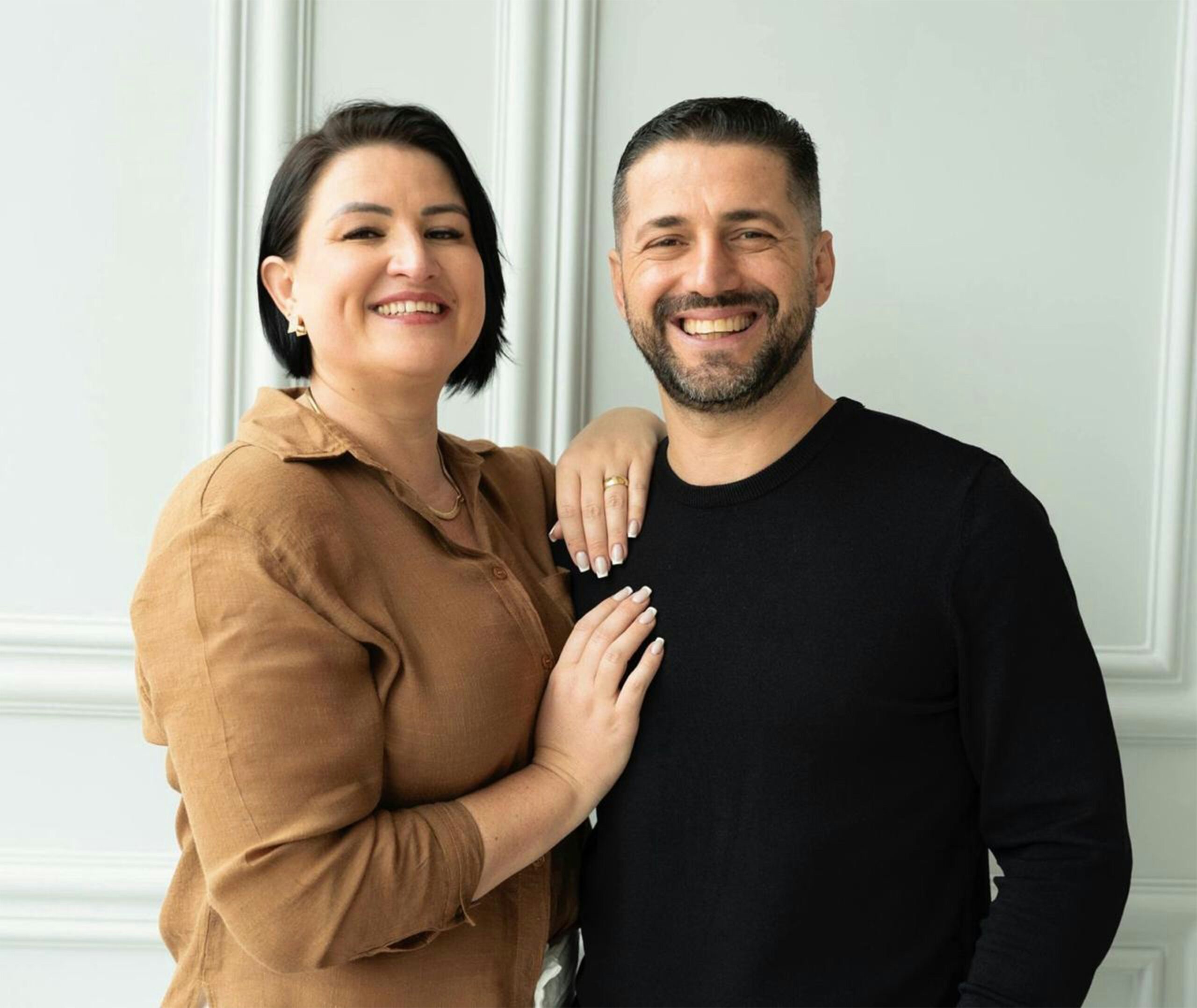
This kind of relationship still exists and attracts attention. I was fortunate to have a conversation with a couple living in the USA. After a long discussion, I realized that for an age gap relationship to succeed, it depends on other factors, and not just age. Such factors include shared goal, maturity in mind, and empathy.
Friends, the psychology behind age gap dating suggests that age difference sometimes strengthens the relationship rather than weakening it. To understand this better, we will be looking at some factors that explain this concept:
1. The Role of Emotional Maturity and Life Experience in Age Gap Relationships
Emotional maturity and life experience play a vital role in making an age gap relationship work. This relationship involves two people with different personalities. Disagreement will surely set in. The older partner is expected to remain calm during disagreements and handle situations with emotional maturity and experience; the younger partner brings enthusiasm and fresh energy to calm the situation down.
I will give you an example: I had a friend in his late 40s who was involved in a relationship with a woman in her late 50s. Anytime we spoke about their relationship, he often expressed his joy in the partner’s calm approach to conflict resolution and adaptability at all times. He made me know that they turned their differences into a balanced compatibility that keeps them moving.
2. Independence and Equality in Relationships
Age in relationships can sometimes make one partner feel that they have more influence than the other, especially the older partner. However, this should not be an inherent factor. Couples involved should know that they both have equal rights and should respect each other’s opinions.
Everyone needs independence. Couples should respect each other’s private space. When one needs to be alone or go out with friends, that shouldn’t be a problem.
Staying independent in a relationship does not mean totally pulling away from your partner, no! It’s about being yourself and keeping your interests alive. It will help both of you to grow individually and, indirectly, grow together.
If couples understand this and apply mutual respect, age itself will become a negligible factor.
3. Attraction beyond physical Looks
Physical attraction is usually what sparks initial interest in any relationship, but a long-term connection relies more on emotional compatibility rather than just physical looks. Many age gap couples have reported that what truly keeps them together is not physical attraction or their age difference.
Physical attraction can be deceiving. When you base your emphasis on looks alone, it can lead you to date someone based on physical attraction. This has contributed to some unfulfilling experiences in age gap dating. In many cases, there is no real connection.
You should concentrate on non-physical factors, such as emotional connection, communication, trust, mutual respect, and intellectual compatibility; these factors will play a bigger role in sustaining your relationship. These deeper qualities matter more in an age gap relationship over time than the age difference between them.
Why Age Gap Relationships Are More Common Than People Think
Even though some people have a biased view about age gap relationships, it is more common now than we think. This type of relationship is often initiated online and then transitions into real life. The two parties meet on social media platforms such as Facebook, dating websites, apps, or blogs. The Internet has contributed to the rampant age gap relationships we see today.
I have a friend who met his spouse on an online dating site with a 12-year age difference, and got married to her; today, they are blessed with three kids. He made me understand that their relationship thrived because they both shared similar priorities; they never allowed age difference to be a constraint for them.
Age gap relationships are rampant due to exposure to social media and online dating. Many people have come to realize that age in a relationship is just a number and has nothing to do with what partners feel for each other.
Are Age Gap Relationships Healthy?
People often ask me this question: Are age gap relationships healthy? I will give my honest answer here. The issue is less about age and more about emotional health.
From my experience, age gap relationships foster when trust, respect, and mutual support are the top priorities for both parties. If the two parties understand this, the relationship will be healthier than you think.
Even with a 10 or more years age difference between two partners, the relationship can be healthy if couples communicate effectively and support each other. If they manage their emotional well-being, they will experience a healthy and fulfilling companionship.
Why Some Age Gap Relationships Work Better Than Others
Certain age gap relationships succeed more than others due to the conscious effort of some partners and their alignment on key life attributes. Couples who succeed in an age gap relationship recognize the importance of consistent communication and compromise where necessary to navigate any differences that may arise.
These key qualities help them to build stability and understanding that will strengthen their relationship over time. We will be looking at some other factors below:
Shared values and long-term goals: Couples who share similar life values and goals regarding planning their future, career ambitions, or overall lifestyle choices tend to manage age differences more effectively. Their aligned expectations reduce potential conflicts and strengthen mutual understanding.
Communication and emotional intelligence: Couples who openly express their feelings, listen empathetically, and resolve conflicts constructively tend to achieve long-term relationship success, regardless of their age difference.
Expectations around lifestyle and plans: As we mentioned earlier, couples who discuss their finances, living arrangements, and social activities early in the relationship prevent unforeseen misunderstandings that may arise in the future.
What Psychology Research Actually Says About Age Gap Relationships
You may be wondering — what do psychologists and researchers actually say about age gap relationships? I did some research on this, and the findings might surprise you.
Studies in relationship psychology have consistently shown that age difference alone is not a reliable predictor of relationship success or failure. What researchers found is that emotional compatibility, communication quality, and shared life goals are far stronger indicators of whether a relationship will last.
One interesting finding is that partners in age gap relationships often report higher levels of relationship satisfaction in the early stages. This is because both partners tend to make a more conscious and deliberate choice to be together; they are not just falling into a relationship by convenience or proximity. There is an intention behind it.
Psychologists also point out something called “complementary dynamics” in age gap relationships. This means that each partner brings something different to the table that the other genuinely needs. The older partner often brings stability, patience, and life wisdom. The younger partner brings energy, fresh perspective, and emotional spontaneity. When these qualities complement each other rather than clash, the relationship becomes stronger than many same-age relationships.
I spoke with someone once who had been in an age gap relationship for over eight years. She told me that the secret was simple: they never treated the age difference as a problem to solve. They treated it as a feature of their relationship that made them unique. That mindset shift, backed by what psychology research tells us, makes all the difference.
Signs Your Age Gap Relationship Is Psychologically Healthy
One question I get asked a lot is this: How do I know if my age gap relationship is actually healthy? It is a fair question, and I want to give you an honest answer.
Here are the signs I have come to recognise over time:
You communicate without fear:
In a psychologically healthy age gap relationship, both partners feel safe expressing their feelings, concerns, and desires without fear of judgment or rejection. If you can tell your partner anything and feel heard, that is a strong sign.
The age difference is not used as a weapon:
Healthy couples never use age to dismiss each other. Phrases like “you are too young to understand” or “you are too old to get it” are red flags. In a healthy relationship, age is acknowledged but never weaponised.
You have separate identities:
Both partners maintain their own friendships, interests, and personal goals. Neither person has completely abandoned who they are for the sake of the relationship.
You handle disagreements with respect:
Every relationship has conflict. What matters is how you handle it. If you and your partner can disagree without it turning into a power struggle or a blame game, your relationship is in a psychologically healthy place.
You genuinely enjoy each other’s company:
This sounds simple, but it is profound. Beyond the attraction and the romance, do you actually enjoy spending time together? Do you laugh together? Do you feel at ease? That genuine enjoyment is one of the strongest signs of psychological health in any relationship.
You support each other’s growth:
A psychologically healthy age gap relationship is one where both partners actively encourage each other to grow, personally, professionally, and emotionally. If your partner’s success makes you proud rather than threatened, that is a beautiful sign.
If you recognise most of these signs in your relationship, you are in a much better place than you might think.
Common Psychological Challenges in Age Gap Relationships
Age gap relationships are often associated with unique challenges, but awareness and practical strategies will help couples manage them effectively. Below are some common psychological challenges couples face in an age gap relationship:
Social judgment: Friends, family, or society at large may criticize couples with a significant age difference. However, if there is some level of confidence in the relationship and a supportive circle, this reduces external pressure, allowing couples to focus more on building a healthier relationship.
Generational differences: Different cultural references, communication patterns, or even habits may arise. Couples involved should learn to apply maturity and be open to dialogue; this will help them to bridge these gaps as quickly as possible.
Communication gaps: Partners may have different approaches to resolving conflicts. However, setting aside regular time to discuss issues, expectations, and feelings can strengthen the connection and bridge the communication gap within a short period.
In all, regular 10-minute daily conversations within couples can help improve communication and reduce misunderstandings and unnecessary tensions.
For more tips on age-gap dating, see our guide on subtle signs she wants you to make the first move.
How to Handle Outside Pressure on Your Age Gap Relationship
Let me be honest with you about something. One of the hardest parts of being in an age-gap relationship is not the relationship itself; it is dealing with what other people think of it.
Family members raise their eyebrows. Friends make comments. Sometimes, strangers feel free to share their opinions without being asked. I have seen this cause more damage to otherwise healthy age gap relationships than any internal issue between the partners themselves.
So how do you handle it?
First, get aligned with your partner before facing the world. Before you worry about what your family thinks or what your friends say, make sure you and your partner are on the same page. Have an honest conversation about how you will handle external opinions together. When you present a united front, outside pressure loses most of its power.
Second, you do not owe anyone an explanation. This is something I want you to really take in. Your relationship is between you and your partner. You do not need to justify it, defend it, or explain it to anyone who has not been invited into your personal life. A simple “we are happy together” is enough. You do not need to say anything more than that.
Third, choose your inner circle carefully. Surround yourself with people who genuinely want you to be happy. Not everyone who loves you will understand your relationship, and that is okay. But if someone consistently makes you feel ashamed of who you love, it is worth reconsidering how much emotional access that person has to your life.
Fourth, build confidence from within. Outside pressure only truly hurts when we have internal doubts. The more secure you become in your relationship, through open communication, shared experiences, and genuine connection, the less outside noise will affect you.
Building confidence is one of the most important things you can do in an age gap relationship. If you are just starting, our confidence tips for dating older women will give you a practical head start.
I always say this to people who ask me about handling judgment: the opinion of someone who is not in your relationship should never carry more weight than the experience you are actually living. Trust what you know to be true.
FINAL THOUGHTS
The truth remains that Age-gap relationships often draw external attention; that is normal. However, its success depends on psychology, maturity, and effective communication. If you are new to this type of relationship, understanding how sugar mummy relationships work will help you set the right expectations from the beginning.
It can be successful when couples prioritize emotional intelligence and communicate effectively. Challenges are indeed inevitable in any relationship, but what matters is how both parties involved can address issues with empathy, openness, and dialogue.
Lastly, couples should know that age is just a number; emotional connection is far more important than age itself.
If you found this article helpful, feel free to share it on social media and subscribe to our blog using the red bell icon at the bottom right to get notified when we publish new articles.
You can also share your personal experience or advice in the comments. We would love to hear from you.
Explore related articles on our website to learn more about age differences in relationships and how to build a sustainable partnership.
FAQS
Q: What is an age gap relationship?
A: An age gap relationship is a romantic partnership where there is a noticeable age difference, which may influence dynamics but doesn’t determine success.
Q: Do age differences affect relationship satisfaction?
A: Age alone doesn’t determine satisfaction; shared goals, emotional support, and compatibility matter more.
Q: Are age gap relationships healthy?
A: Yes, when partners maintain emotional well-being, respect, and understanding.
Q: Why do some age gap relationships work better than others?
A: Relationships succeed when couples align on values, communicate effectively, and set realistic expectations.
Q: How can couples manage social judgment in age gap relationships?
A: Confidence in the relationship, supportive friends or family, and clear boundaries help navigate social scrutiny.
Q: Can emotional maturity bridge an age gap?
A: Yes, understanding, empathy, and life experience help partners connect deeply despite age differences.
Q: What matters more than age in a relationship?
A: Compatibility, mutual respect, shared values, and emotional support predict success better than age.
Q: Can age gap relationships face more psychological pressure than same-age relationships?
A: Yes, they can, but mostly from external sources like family or society rather than from within the relationship itself. Couples who build strong internal communication tend to handle this pressure well.
Q: Is it normal to feel insecure in an age gap relationship?
A: Absolutely. Insecurity is common in any relationship, but age gap couples may experience it more around issues like appearance, energy levels, or generational differences. Honest communication with your partner is the best way to address these feelings before they grow.
Q: How do age gap couples stay connected long term?
A: By focusing on shared values and experiences rather than age. Couples who regularly create new memories together, support each other’s personal growth, and maintain open communication tend to build connections that deepen over time, regardless of their age difference.
Discover more from Modern Dating & Relationship Insights
Subscribe to get the latest posts sent to your email.